
Endometriosis
Your pain is real. Let's find out why.
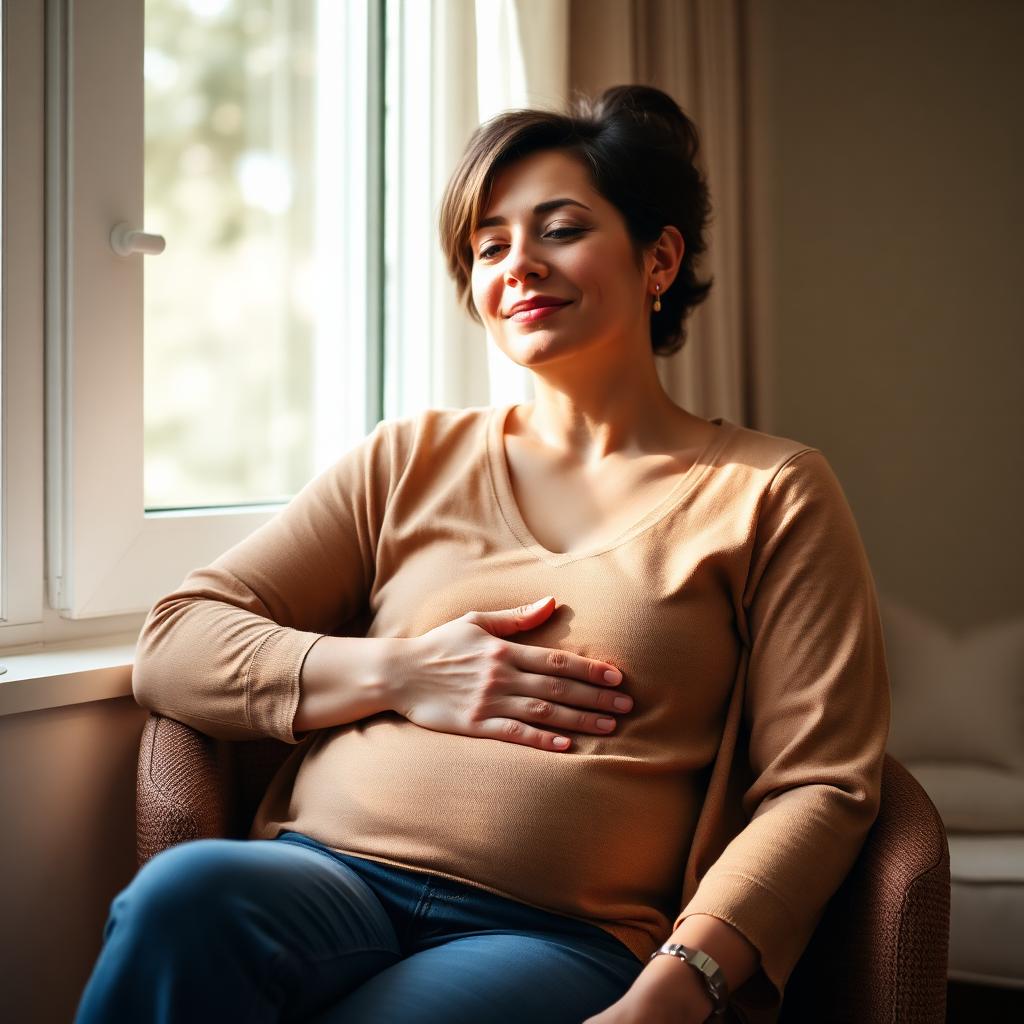
Endometriosis happens when tissue similar to the uterine lining grows outside the uterus, often causing painful periods, pelvic pain, pain during intercourse, or difficulty getting pregnant. Too often, this pain is dismissed or normalized for years. It shouldn't be.
There's no single test for endometriosis, which is part of why it's so often missed. Evaluation begins with taking your symptoms seriously — a detailed history, an exam, and imaging. In some cases, a laparoscopic procedure is used to confirm and treat it at the same time.
Management is individualized and may include pain treatment, hormonal therapies to slow tissue growth, or minimally invasive surgery. The goal is to reduce pain, protect fertility where it matters to you, and improve day-to-day quality of life.
Understanding endometriosis
Endometriosis occurs when tissue similar to the lining of the uterus grows in places it shouldn't — on the ovaries, fallopian tubes, or other areas in the pelvis. Each month, this tissue responds to your hormones the way the uterine lining does, but it has no way to leave the body. That's what leads to inflammation, pain, and sometimes scar tissue over time.
It's a common condition, affecting roughly 1 in 10 women of reproductive age, yet it's frequently under-recognized. Many women spend years being told their pain is normal before receiving a clear answer. At our practice, your symptoms are the starting point — not an afterthought.
Signs and symptoms
Endometriosis looks different for everyone. You may experience some of these, or just one:
- Painful periods that interfere with daily life
- Chronic pelvic pain, even between periods
- Pain during or after intercourse
- Pain with bowel movements or urination, especially during your period
- Heavy or irregular bleeding
- Difficulty getting pregnant
- Fatigue, bloating, or nausea around your cycle
Pain that disrupts your work, sleep, or relationships is not something you have to accept. It's worth evaluating.
How we diagnose it
There's no single blood test for endometriosis, which is part of why it's so often missed. Dr. Fan begins with a thorough conversation about your symptoms and history, followed by a pelvic exam and imaging such as ultrasound. In some cases, a minimally invasive laparoscopy is used to confirm the diagnosis and treat the tissue during the same procedure. Throughout, the goal is clarity — understanding what's driving your pain so it can be addressed.
Treatment options
Treatment is tailored to your symptoms, your goals, and whether pregnancy is part of your plans. Options range from:
- Pain management and anti-inflammatory approaches
- Hormonal therapies that slow or pause tissue growth
- Minimally invasive surgery to remove endometrial tissue
- Fertility-focused care when pregnancy is a goal
Dr. Fan will walk you through what makes sense for your situation, and adjust the plan as your needs change.
Your pain is real, and it deserves to be taken seriously. The first step is simply being heard.
When to see Dr. Fan
Consider making an appointment if you experience:
- Period pain that keeps you from normal activities
- Pelvic pain that lasts beyond your period
- Pain during intercourse
- Trouble conceiving after several months of trying
Your visit, step by step.
- Step 1
Listen
A full hearing of your symptom history.
- Step 2
Evaluate
Exam and imaging.
- Step 3
Discuss
Medical and surgical options.
- Step 4
Plan
A plan centered on your goals.
Endometriosis: your questions.
More in Gynecology & Surgery.



Ready to take the next step?
Call us or request an appointment online — we'll match you with the right visit type.